
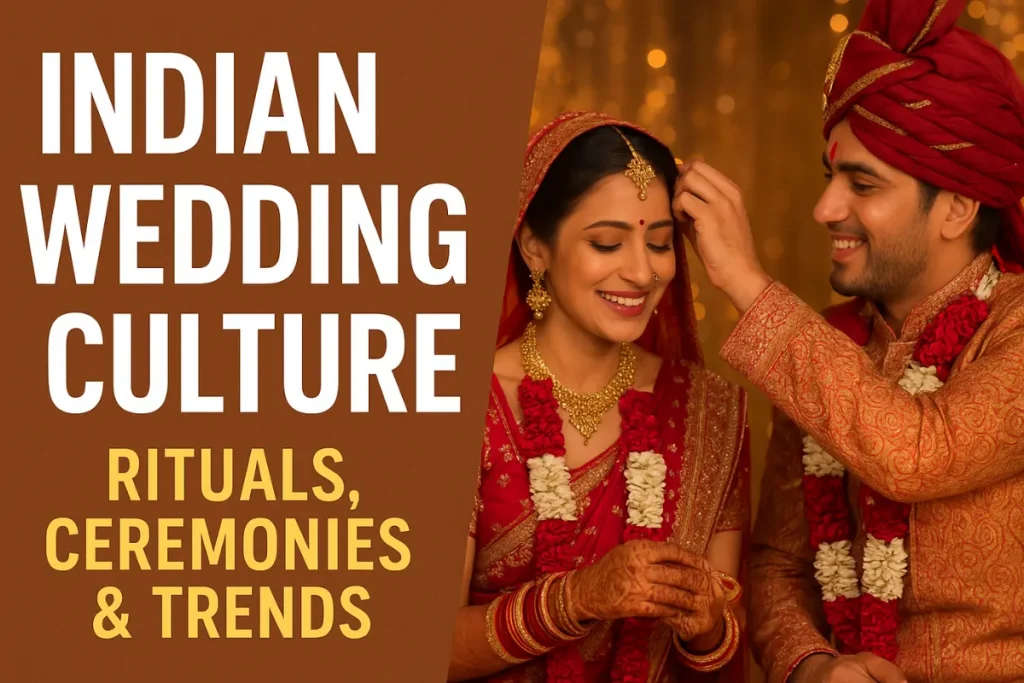
Indian Wedding Culture is one of the most rich, emotional, and colorful wedding traditions in the world. In India, a wedding is not just a single-day event. It is a journey that brings two families together and celebrates love, respect, traditions, and lifelong commitment. Weddings in India are deeply connected to culture, religion, and family values, which makes them very special and meaningful.
People from different countries are often curious about Indian Wedding Culture. Many international guests travel to India to attend weddings and experience these traditions. For such visitors, applying for an India Online Visa is the first step to becoming part of these grand celebrations.
What Makes Indian Wedding Culture Unique?
Indian Wedding Culture is unique because it focuses not only on the bride and groom but also on families, relatives, and society. Elders play an important role in guiding rituals, fixing wedding dates, and giving blessings. Every ceremony has a purpose and a story behind it.
India is a diverse country with many religions and regions. Because of this, Indian Wedding Culture changes from place to place. However, the heart of every Indian wedding remains the same – love, unity, and respect for traditions.
Pre-Wedding Ceremonies in Indian Wedding Culture
Pre-wedding rituals are an important part of Indian Wedding Culture. These ceremonies prepare the couple emotionally, spiritually, and socially for married life.
Roka and Engagement
In many North Indian families, the wedding journey begins with the Roka ceremony. It is a formal announcement that the bride and groom will get married. Families exchange sweets, gifts, and blessings. Engagement rings are often exchanged during this time.
Haldi Ceremony
The Haldi ceremony is one of the happiest rituals in Indian Wedding Culture. Turmeric paste is applied to the bride and groom to bring good luck, health, and positive energy. This ceremony is filled with laughter, songs, and family bonding.
Mehndi Ceremony
Mehndi is a beautiful and emotional ritual in Indian Wedding Culture. The bride’s hands and feet are decorated with detailed henna designs. It is believed that the darker the Mehndi color, the stronger the love between the couple. This ceremony is usually celebrated with music and dance.
The Main Wedding Day Rituals
The wedding day is the most important part of Indian Wedding Culture. Every ritual performed on this day has spiritual meaning.
Baraat – Groom’s Grand Entry
The Baraat is the groom’s wedding procession. The groom arrives at the wedding venue with music, dancing, and family members. This shows happiness, pride, and celebration.
Jaimala Ceremony
During the Jaimala, the bride and groom exchange flower garlands. This ritual represents acceptance of each other as life partners and is an emotional moment in Indian Wedding Culture.
Sacred Fire and Wedding Vows
In Hindu weddings, the couple takes vows around the sacred fire. Fire is considered a holy witness. These vows promise trust, love, and responsibility, making this ritual the backbone of Indian Wedding Culture.
Sindoor and Mangalsutra
The groom applies Sindoor on the bride’s hair parting and ties the Mangalsutra around her neck. These are strong symbols of marriage and commitment in Indian Wedding Culture.
Post-Wedding Rituals and Emotional Moments
After the wedding, post-wedding rituals take place. These moments are often emotional and deeply touching.
Vidaai
Vidaai is when the bride leaves her parental home to start a new life. This ritual shows the emotional bond between the bride and her family. It is one of the most emotional parts of Indian Wedding Culture.
Griha Pravesh
The bride is welcomed into her new home with traditional rituals. She is seen as a symbol of happiness and good fortune for the family.
Regional Diversity in Indian Wedding Culture
One of the most beautiful things about Indian Wedding Culture is its diversity. Every region follows different customs:
- South Indian weddings are simple, spiritual, and focused on rituals.
- Punjabi weddings are energetic, colorful, and full of music.
- Bengali weddings are traditional and elegant.
- Muslim and Christian weddings in India combine religious customs with Indian traditions.
This diversity makes Indian Wedding Culture rich and unforgettable.
Modern Trends in Indian Wedding Culture
While traditions remain important, Indian Wedding Culture has also adapted to modern times.
Destination Weddings
Destination weddings in places like Jaipur, Udaipur, and Goa are very popular. Guests from other countries often apply for an India Online Visa to attend these weddings.
Eco-Friendly Weddings
Many couples now choose eco-friendly weddings by reducing waste, using digital invitations, and simple decorations.
Theme-Based Weddings
Theme weddings such as royal, beach, or pastel themes are becoming common. These trends add a modern touch to Indian Wedding Culture while keeping traditions alive.
Why Indian Wedding Culture Attracts the World
People from around the world are drawn to Indian Wedding Culture because of its emotions, colors, music, and deep family values. Attending an Indian wedding feels like becoming part of a big family celebration.
Tourists who come to India for weddings often plan their trip carefully and apply for an India Online Visa to enjoy these cultural experiences without hassle.
Frequently Asked Questions (FAQs)
1. What is Indian Wedding Culture all about?
Indian Wedding Culture is a combination of traditions, rituals, emotions, and family values. It is not just a marriage between two people, but a bond between two families. Indian weddings include multiple ceremonies before, during, and after the wedding day, each with its own meaning and importance.
2. How long do Indian weddings usually last?
Unlike many other countries, Indian Wedding Culture includes celebrations that last several days. Pre-wedding rituals like Haldi and Mehndi take place before the wedding day, while post-wedding ceremonies happen after. In total, an Indian wedding can last anywhere from 3 to 7 days, depending on family traditions and region.
3. Do Indian wedding rituals differ by region?
Yes, Indian Wedding Culture changes from region to region. North Indian, South Indian, Bengali, Punjabi, Muslim, and Christian weddings all have different customs. However, the main idea of love, respect, and family bonding remains the same across all regions.
4. Can foreigners attend Indian weddings?
Yes, foreigners are warmly welcomed at Indian weddings. Many people from other countries travel to India to attend weddings or destination weddings. To visit India for this purpose, they usually apply for an India Online Visa, which makes the travel process simple and smooth.
5. How is Indian Wedding Culture changing in modern times?
Modern couples are blending tradition with new ideas. Today, Indian Wedding Culture includes destination weddings, theme-based décor, eco-friendly celebrations, and digital invitations. Even with these modern trends, traditional rituals and family values continue to remain very important.
Conclusion
Indian Wedding Culture is not just about ceremonies and rituals. It is about love, family bonds, traditions, and memories that last a lifetime. From pre-wedding celebrations to emotional farewells, every moment has meaning.
Whether you are part of an Indian family or a visitor coming through an India Online Visa, understanding Indian Wedding Culture helps you appreciate the beauty, emotions, and values behind every ritual. This culture teaches us that weddings are not only about marriage but about togetherness, respect, and lifelong relationships.